
Tom and Jerry remains one of the most beloved animated franchises in the world, and in 2026, its legacy continues to thrive across generations. Created by William Hanna and Joseph Barbera in 1940, the cartoon introduced audiences to the endless rivalry between Tom, a determined house cat, and Jerry, a clever and mischievous mouse. What makes Tom and Jerry truly timeless is its universal humor—largely driven by visual comedy rather than dialogue—allowing it to transcend language, culture, and age. Even more than eighty years after its debut, the franchise continues to entertain children and adults alike.
In 2026, Tom and Jerry exists not just as a classic cartoon but as a global entertainment brand. Through reruns, streaming platforms, new animated adaptations, and merchandise, the iconic duo remains deeply embedded in popular culture. The simplicity of its core concept, combined with expressive animation and comedic timing, ensures that Tom and Jerry still feels relevant in a rapidly changing media landscape.
Evolution of the Franchise Over the Decades
Over the years, Tom and Jerry has evolved significantly while maintaining its original spirit. The early theatrical shorts of the 1940s and 1950s are often praised for their high-quality animation and orchestral music, many of which won Academy Awards. As television became dominant, the series adapted into various formats, including TV shows, direct-to-video films, and hybrid live-action adaptations.
By 2026, the franchise has embraced modern animation techniques and digital distribution. Newer series and shorts often feature updated character designs and faster pacing while preserving the slapstick humor that defines the brand. These adaptations allow Tom and Jerry to appeal to younger audiences who consume content primarily through streaming services, while still honoring the nostalgia cherished by long-time fans.

Why Tom and Jerry Still Resonates Today
One of the key reasons Tom and Jerry continues to succeed in 2026 is its reliance on physical comedy and visual storytelling. Unlike many modern cartoons that depend heavily on dialogue and pop-culture references, Tom and Jerry communicates emotion and humor through action, expression, and timing. This makes the series accessible to a global audience regardless of language or cultural background.
Additionally, the dynamic between Tom and Jerry is more complex than a simple hero-versus-villain relationship. While they are rivals, their interactions often suggest moments of mutual understanding or reluctant cooperation. This emotional nuance adds depth to the comedy and keeps viewers invested beyond the laughs. In an era where content is constantly competing for attention, Tom and Jerry stands out by doing more with less.
Tom and Jerry in Modern Media and Entertainment
In 2026, Tom and Jerry continues to maintain a strong presence across multiple platforms. Streaming services regularly feature classic episodes alongside newer adaptations, allowing viewers to explore the franchise’s full history. The characters also appear in mobile games, short-form digital content, and collaborations with other brands, ensuring their visibility in modern entertainment spaces.
The franchise’s adaptability has played a major role in its longevity. Rather than relying on a single format, Tom and Jerry has proven capable of reinventing itself while preserving its identity. This flexibility allows it to coexist with contemporary animated series while remaining instantly recognizable.
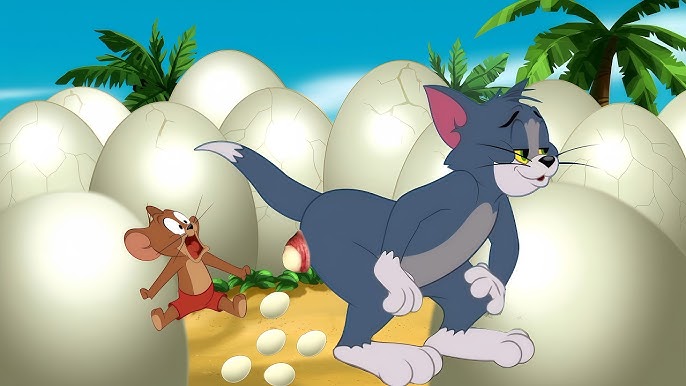
Cultural Impact and Global Popularity
Few animated characters have achieved the level of global recognition that Tom and Jerry enjoy. Their silhouettes, expressions, and signature chase sequences are instantly familiar to audiences worldwide. In many countries, Tom and Jerry is one of the first cartoons children are exposed to, creating early emotional connections that last into adulthood.
By 2026, the franchise’s influence can be seen in animation, meme culture, and even fashion and merchandise. The enduring popularity of Tom and Jerry demonstrates how strong character design and universal humor can create a lasting cultural footprint. The duo represents a form of entertainment that is both nostalgic and continuously renewed.
The Enduring Appeal of Tom and Jerry
Ultimately, Tom and Jerry endures because it understands the fundamentals of entertainment. Its humor is physical, its characters are expressive, and its stories are simple yet endlessly creative. In 2026, as animation continues to evolve with technology and changing audience habits, Tom and Jerry remains a reminder that great storytelling does not require complexity—only imagination and heart.
The franchise’s continued success proves that some ideas are truly timeless. As long as audiences enjoy laughter, clever antics, and classic cartoon chaos, Tom and Jerry will remain an essential part of global animation history.
